
Triumph Originals - UK
Custom Workshop: Stockwell Design
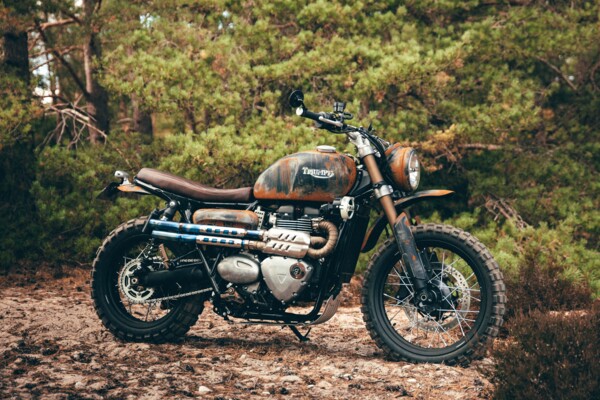
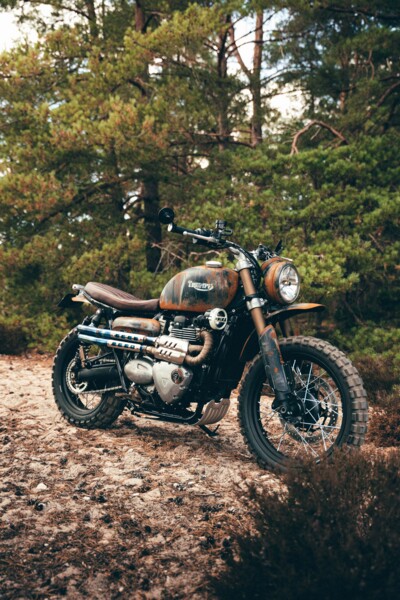
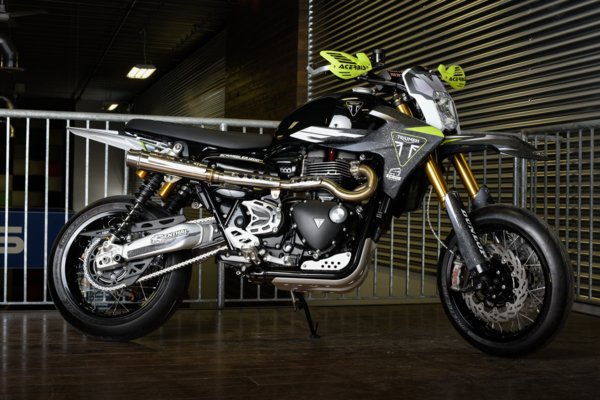
Model: Scambler 900
Team Leader: Charlie Stockwell
“It’s a balance of design, engineering, and storytelling.”
For three decades, Stockwell Design, in collaboration with the LIND Group & Triumph London, has been an epicentre for meticulously crafting custom motorcycles. Lathe at the ready, Stockwell defines the studio's approach in three words: Refined, functional and purposeful. It's a standard that last year's competition only sharpened, pushing the team to balance storytelling with execution in every detail.
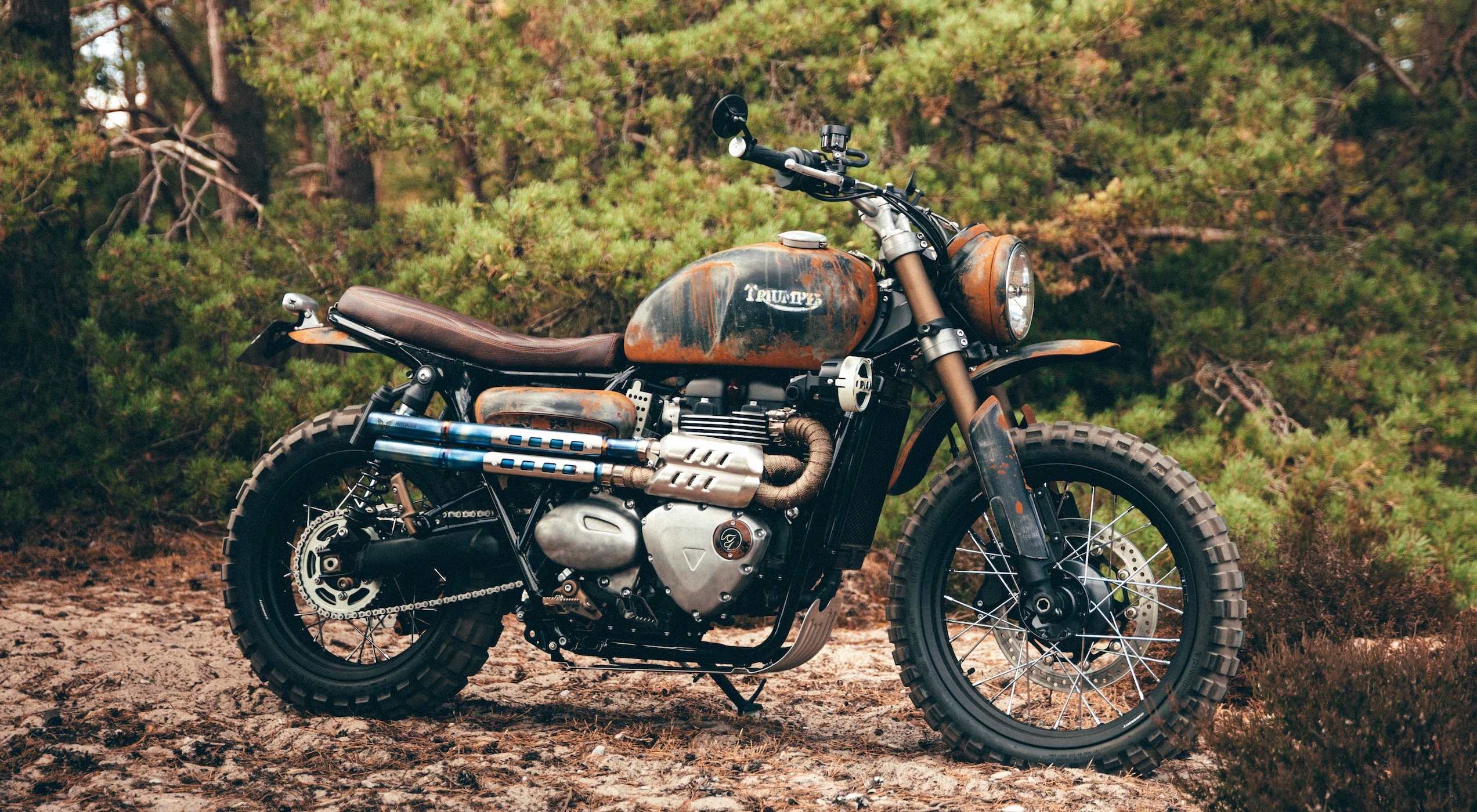
“At the core of our work is the belief that every build must carry a clear concept – because the bikes are not just visual pieces, they're built to be ridden," says Stockwell. For 2026, that concept drew from the Scrambler's 60s and 70s identity: raw, functional, and stripped back. Not the work of any single machine, but the spirit of all Scramblers and their adventures through life.
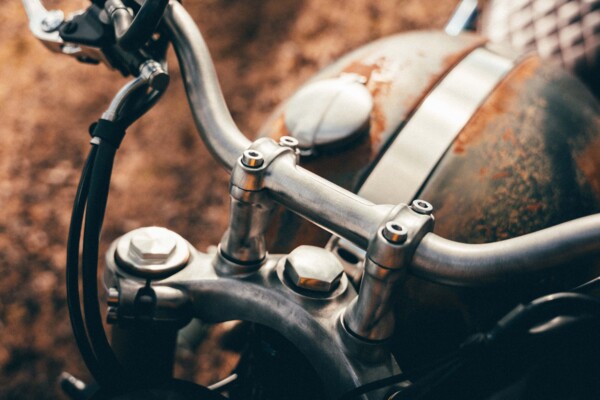
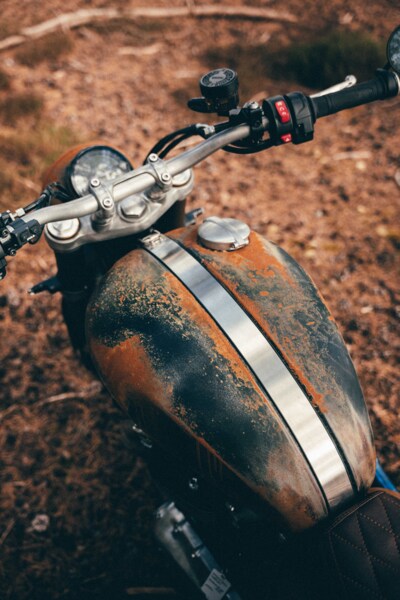
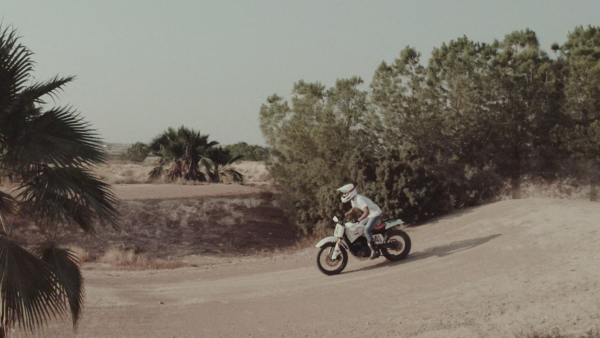
The result is a bike imagined as though it’s lived a long life – not beaten, not neglected, but properly used. “It’s a bike that looks like it's spent its time traveling around the world and then come back home to England, rising through muddy lanes," says Stockwell. “It’s a moment in time, captured and made relevant for today.”
Q&A
How did you get into the world of Custom motorcycles?
It started from a passion for engineering and design. I was always drawn to the idea of taking something functional and turning it into something personal and expressive. That naturally evolved into building custom motorcycles.
Why do you want to take part in the Triumph Originals competition?
It’s a great opportunity to push creative boundaries while working with an iconic brand. Triumph has such a rich heritage, and this competition allows builders to reinterpret that in a contemporary way. They’re incredibly versatile platforms that allow for creativity without losing their core character.
What do you think makes the Scrambler platform a great platform for custom builds?
Its versatility. The Scrambler naturally sits between on-road and off-road, which gives you creative freedom in both form and function. To me, it represents freedom and adaptability – a bike that’s not confined to one environment, both culturally and aesthetically.
How would you describe your approach to custom bike building?
It’s a balance of design, engineering, and storytelling. Every build needs to have a clear concept, executed with precision and purpose. The bikes are not just visual pieces – they’re built to be ridden.
What influences and inspirations shape your design and craftsmanship?
Art, music, architecture, industrial design, and global motorcycle culture all play a role. I’m also heavily influenced by history and how design evolves over time. The ‘Time Capsule’ brief immediately sparked ideas around heritage and reinterpretation – how to capture a moment in time while making it relevant today.
What are the key ideas behind your custom Scrambler for this competition?
The focus is on blending past and present – taking inspiration from a specific era and translating it through modern materials, finishes, and engineering. While creating a bike that looks as though it's lived a long life. Not beaten up or neglected, but properly used and naturally aged. Like it’s spent its time travelling around the world and then come back home to England, rising through muddy lanes.
Which Scrambler era has inspired your build?
I guess it would be the 60s/70s where the scrambler identity was really defi ned – raw, functional, and stripped back. But no one in particular, more the spirit of all Scramblers and their adventures through life.
What's your favourite workshop tool?
The lathe. It’s one of the most versatile tools in the workshop – whether it’s machining spacers, modifying components, or creating completely bespoke parts from scratch. It allows for a level of precision and craftsmanship that’s hard to match, and it plays a key role in turning ideas into properly engineered solutions.
What’s your favourite part of the build process, and why?
I have two. The ideas stage is always exciting and then the fabrication stage – when ideas start becoming physical and you can see the concept take shape.