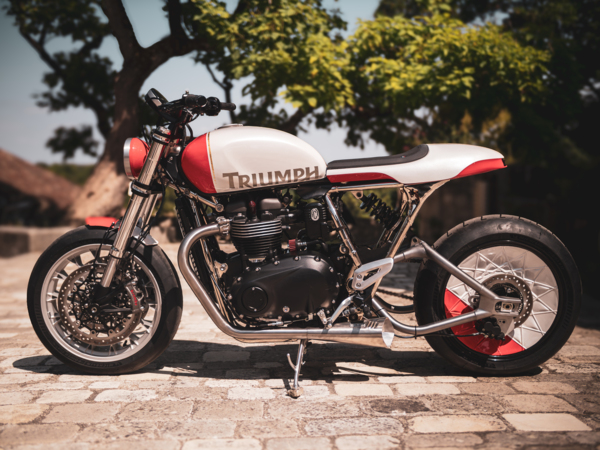

Triumph Originals - France
Team Leader: Sebastien Guillemot
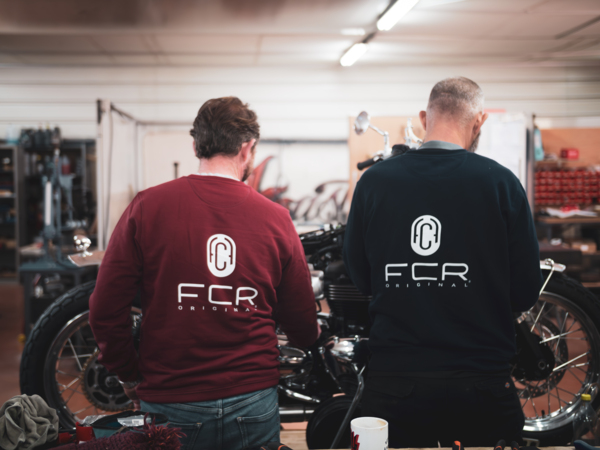
Custom Workshop: FCR Original
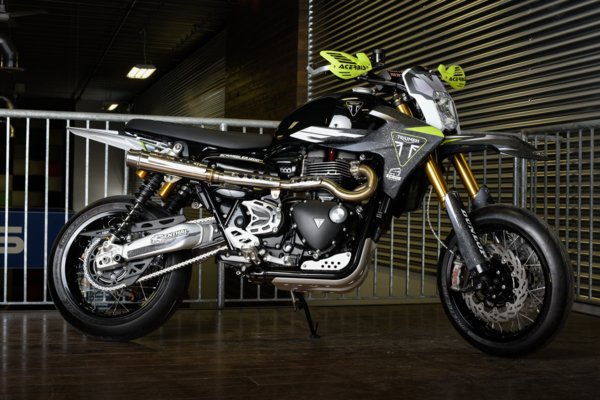
Model: Scrambler 1200 XE
"For us, the word Scrambler, above all, evokes freedom."
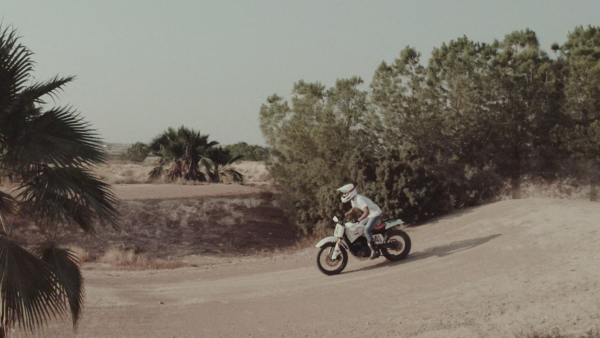
The name Triumph Scrambler has always evoked images of adventure, dust, action and rugged capability, combined with the timeless style of the 1960s.
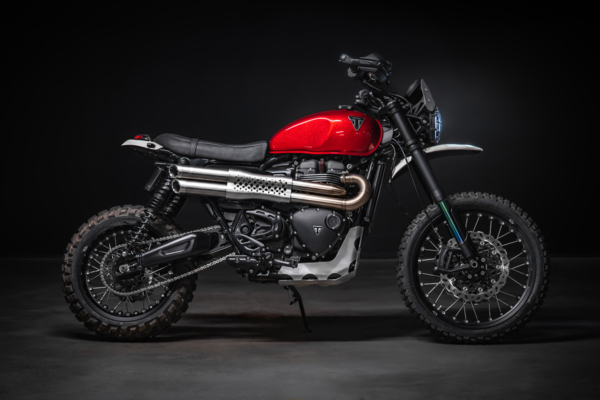
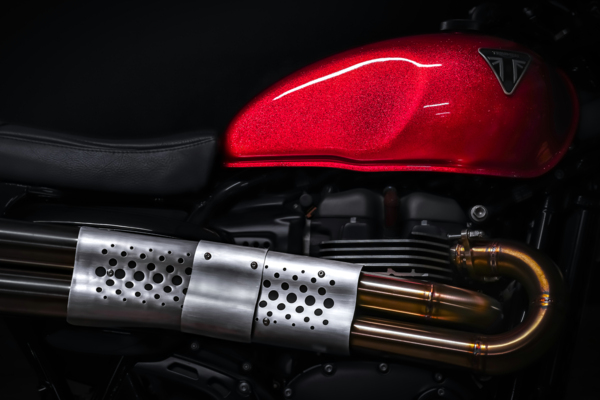
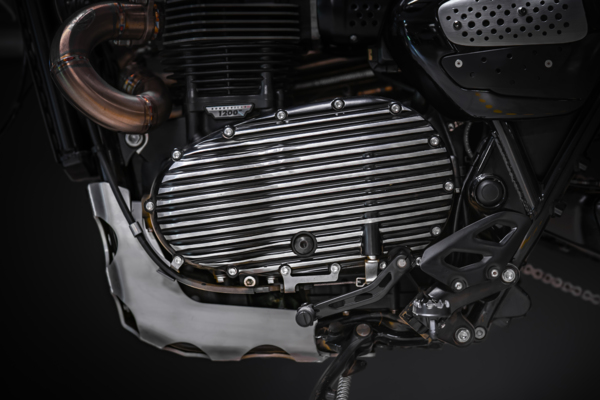
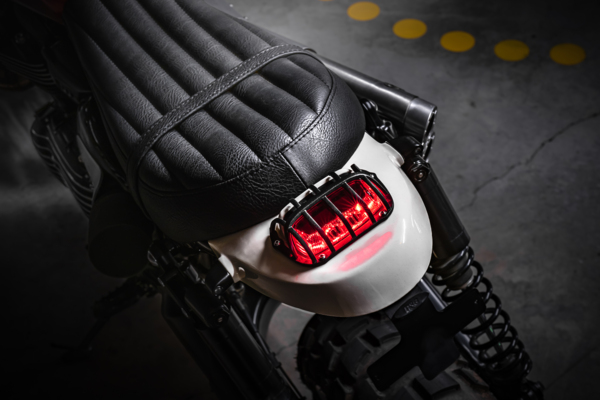
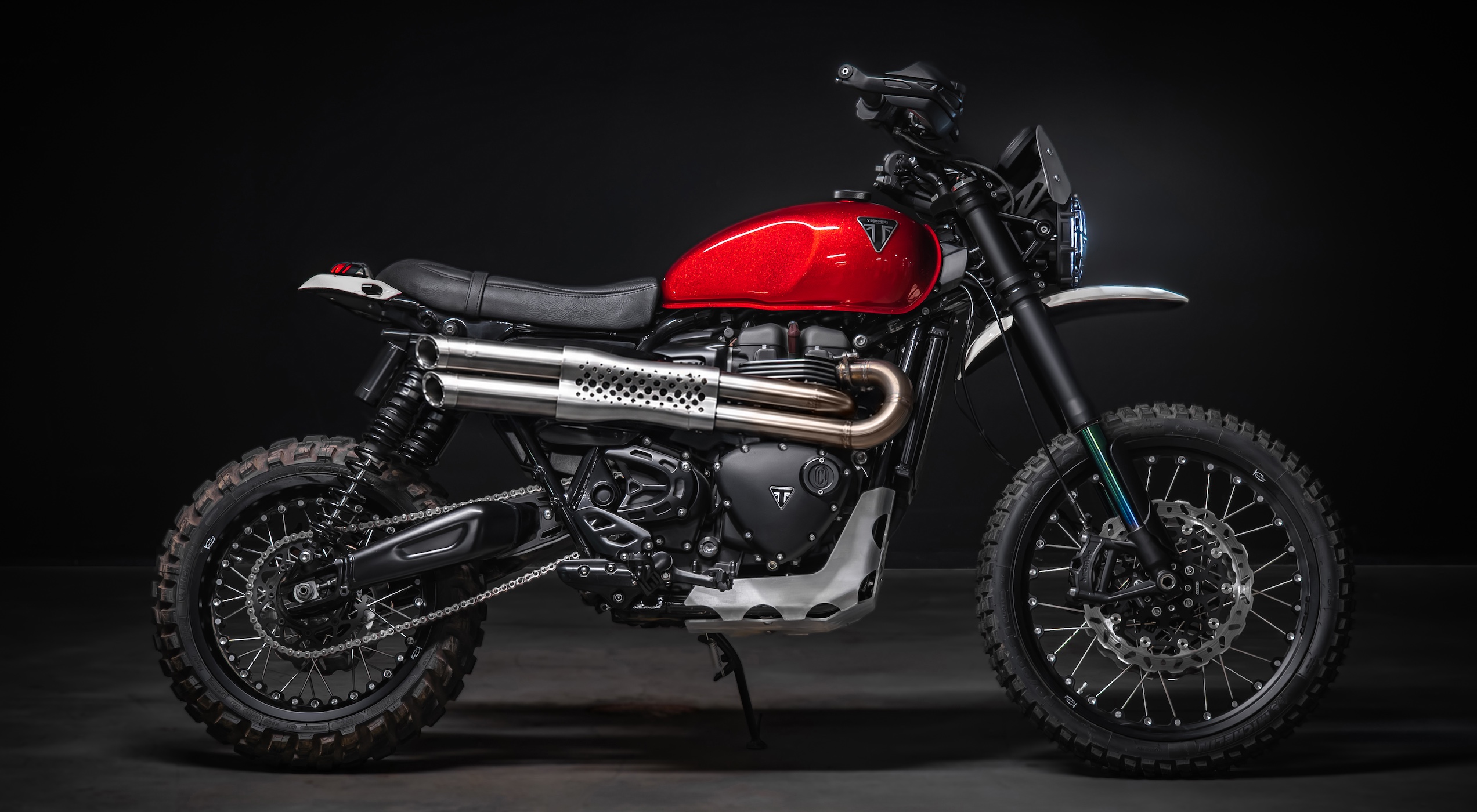
Bringing these elements together, Triumph France partnered with renowned custom builder FCR Original to create the Scrambler 1200 XE 'Red Dust'
Designed to be purposeful rather than purely decorative, the 'Red Dust' is a high-performance, capable and robust machine. It is the antithesis of a showpiece - a heavily modified motorcycle inspired by the past, but not exclusively so. A machine that remains true to its neo-retro roots, and a machine that impresses as much with its looks as with what it’s capable of in the dust…
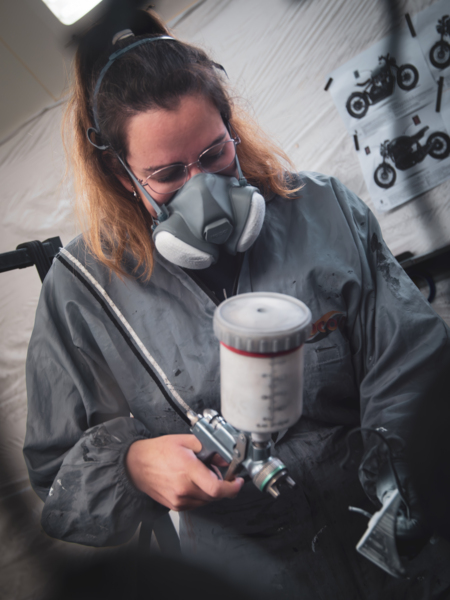
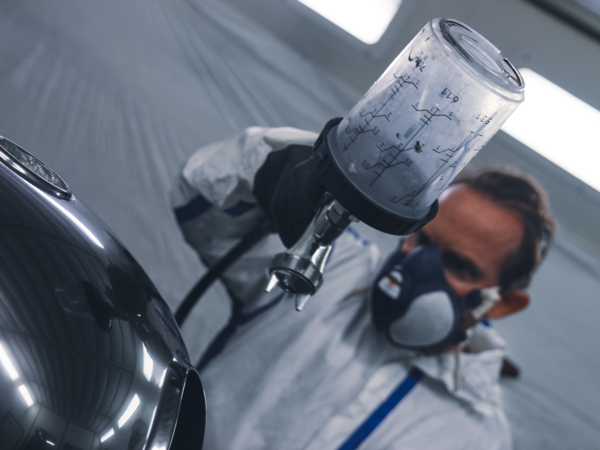
Working out of the French countryside, the talented team at FCR Original love what they do.
As they’d tell you themselves, they don’t just transform bikes, they rethink them, so they’re as beautiful to look at as they are to ride.
Founded by Sebastien Guillemot in 2012, FCR Original’s approach to custom building is all about the balance between aesthetics, performance and innovation. Their one rule? Every modification they make must have a meaning and a function. If it doesn’t improve the ergonomics, handling and overall balance of the bike, it doesn’t happen.
A successful background in competitive racing gave FCR Original a rigorous understanding of what a motorcycle needs to perform. Their team of specialists know how to design a bike with the perfect blend of style and function, and the Scrambler gave them the perfect opportunity to do just that.
Q&A
How did you enter the world of custom motorcycles?
In a countryside barn with a dirt floor and a shared passion for mechanics. We weren’t trying to create a brand, the goal was to transform, experiment and push boundaries. It was when we transformed a Triumph Speed Triple 1050 into a rolling piece of art that marked a turning point, that was the first project that led to a sale. It was the moment the FCR Original spirit was born: high standards, performance, attention to detail and timeless elegance.
What attracts you to customising Triumph motorcycles?
Triumph has a heritage unlike any other, the brand’s history is deeply connected to the evolution of modern motorcycles. There’s a British elegance to them, a timeless class that’s evident throughout each generation.
Mechanically, Triumph engines are known for their strength, character and reliability, they're an exceptionally solid foundation for custom projects. Working with a machine that already has a soul means our job is to reveal its potential and elevate it, without betraying it.
How would you describe your approach to building a custom motorcycle?
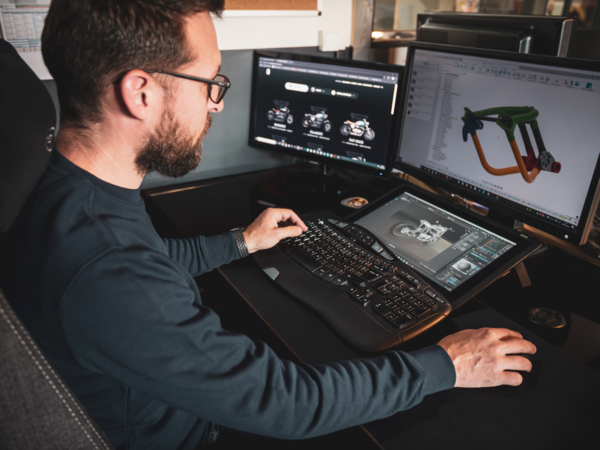
Before even picking up our tools, we reflect on the lines, proportions and the story the motorcycle should tell. Every modification must have a purpose. A successful build must not only look good, it must also be logical and reliable. We take on every project as a team – shaped by discussions, ideas and challenging each other. Our aim is for every build to reflect the collective craftsmanship of the workshop, with each member’s skills expressed in the final machine.
Which Scrambler era inspired your project?
The 1960s and 70s. This period represents the very essence of the Scrambler, it was a time of returning to the essentials. Bikes were modified with creativity and pragmatism to answer a simple need: to go further. Parts were handmade, designed to be robust and to last. Simple in intention but executed with precision and high standards.
What is your favourite stage of the build process, and why?
The final assembly stage. This is when every component finds its place and the project finally becomes a complete motorcycle, the moment when the concept turns into reality.
If you could build a custom motorcycle for someone, who would it be and why?
Probably Steve McQueen. He embodies the spirit of adventure and freedom associated with Scramblers, and he was also a great Triumph enthusiast. Building a motorcycle for someone who has had such an influence on the culture of motorcycling and the brand would be both a symbolic and exciting challenge.