
Triumph Originals - China
Custom Workshop: BVL Garage
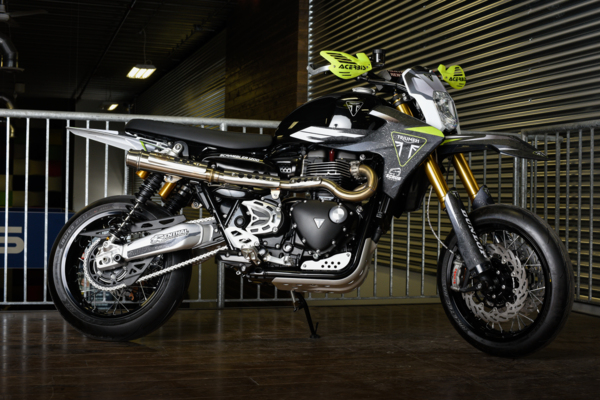
Model: Scrambler 900
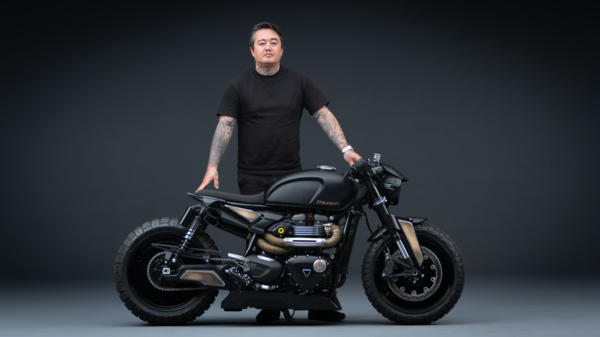
Team Leader: JOMO
"We want to share China’s custom motorcycle culture with the world."
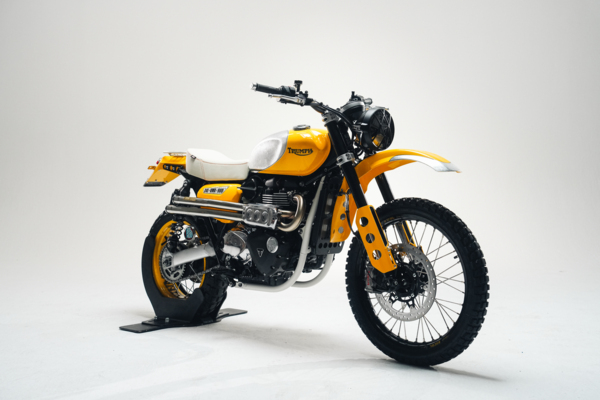
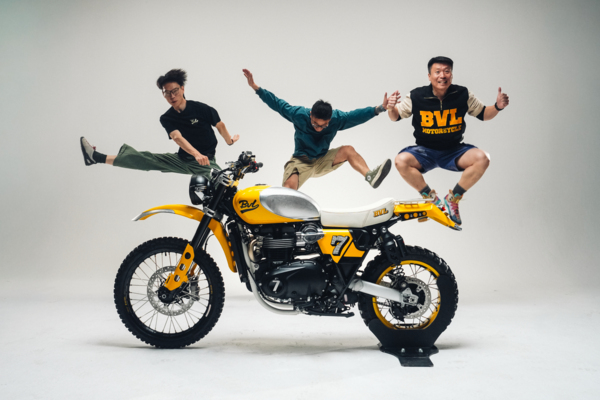
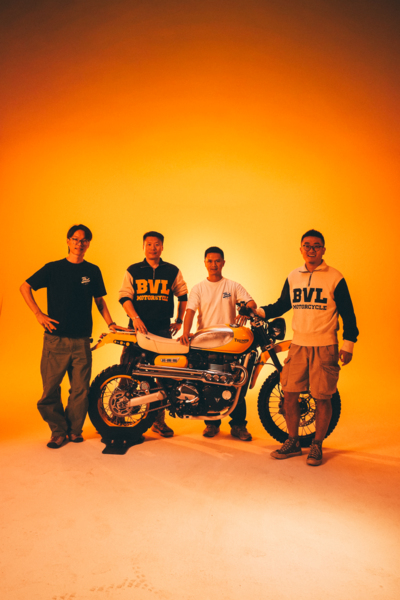
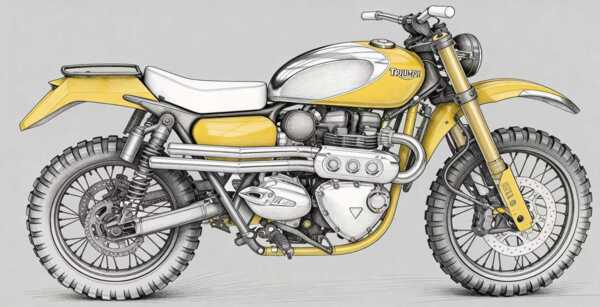
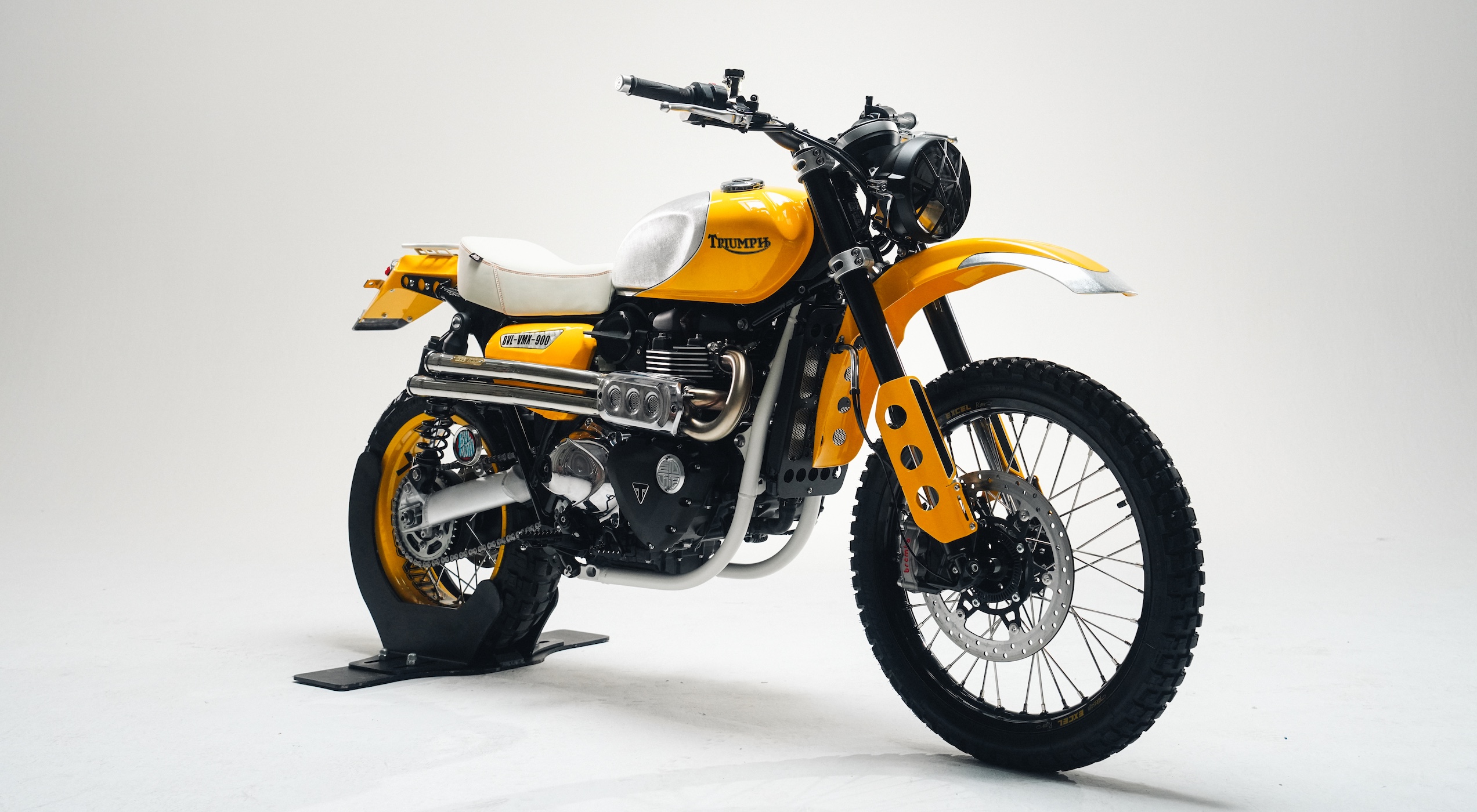
The BVL-VMX-900 is built on the new Scrambler 900 platform, inspired by the 1981 TR7T Tiger Trail. BVL reinterprets the spirit of the 1980s -an era of freedom, optimism and adventure - through a VMX-inspired design language.
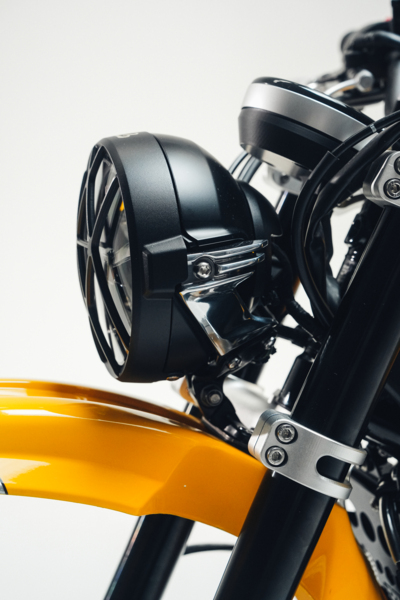
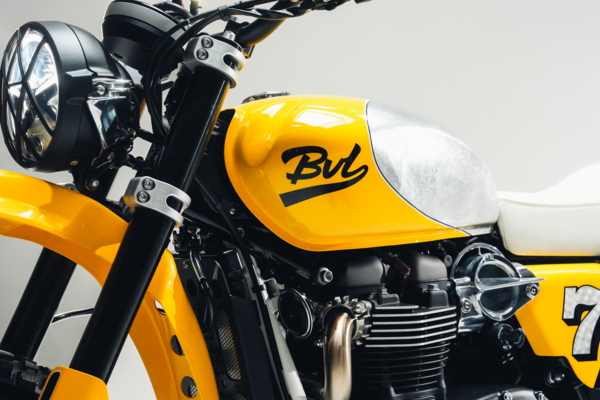
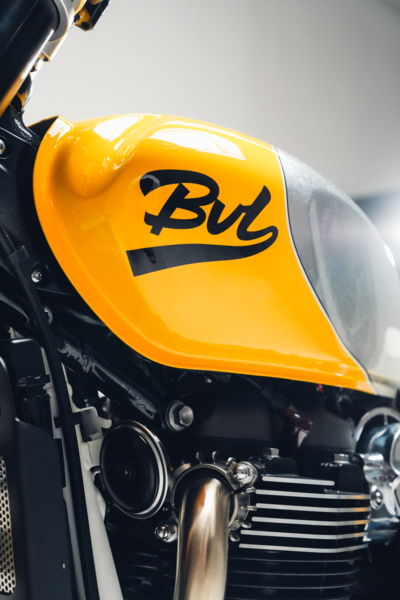
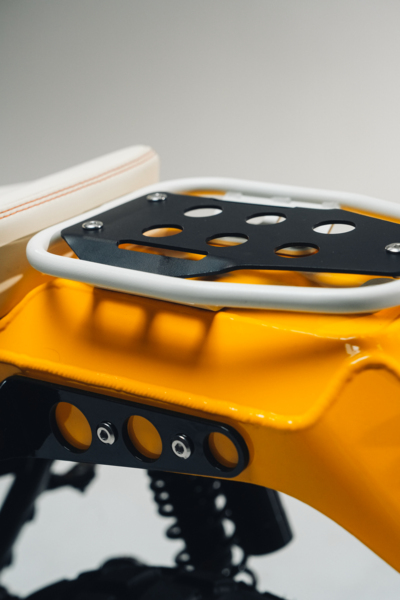
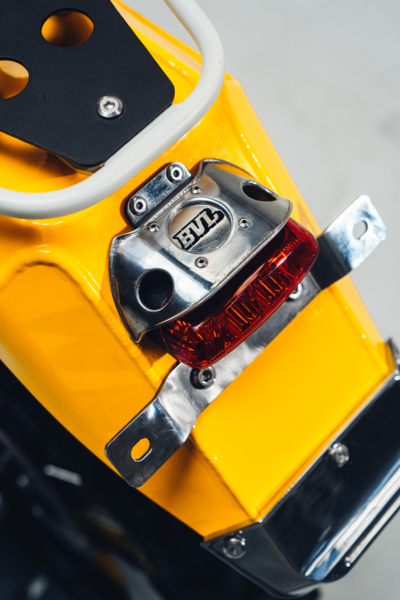
A bright yellow fuel tank finished with silver leaf, an oversized front mudguard, a handcrafted rear mudguard and a white frame combine to create a distinctly period-inspired silhouette. Revised suspension and wheel specifications raise the ride height, improving off-road capability while giving the motorcycle a taller, more purposeful stance. New manufacturing techniques, including metal 3D printing, have also been incorporated into the build.
Drawing on China's advanced manufacturing capabilities, BVL blends industrial processes with traditional craftsmanship to create a unique interpretation of the Scrambler 900, carrying the adventurous spirit of the 1980s towards every road worth exploring.
For 10 years, BVL Garage has been methodically building custom motorcycles with the kind of precision that comes from a background in industrial design. Based in Taizhou, China, they’re data-driven and detail-obsessed, with a strong aesthetic that is uniquely their own.
Where most custom workshops build for one, BVL design each bike with batch production in the back of their minds. Keeping an eye on market demands, they build in a way that allows the customer to install their own modifications – a practical philosophy that by no means comes at the expense of originality.
Their inspiration comes from many things – other vehicles, popular culture, art and design – anything that evokes an unexpected reaction when it becomes a component of a motorcycle’s design. The result is a body of work that is aesthetically distinctive, rooted in their understanding of vintage culture, and shows off China’s custom motorcycle culture to the world.
Q&A
Why do you want to take part in the Triumph Originals competition?
A mix of reasons. To recognise and celebrate Triumph and their influence on motorcycle culture. It’s also an opportunity to show our passion for classic motorcycles. Finally, we wanted to share China’s custom motorcycle culture with the world!
What draws you to customising Triumph Motorcycles?
What sets Triumph apart is the balance they’ve maintained between heritage and relevance – a rich history and still meeting the needs of current riders. The vintage aesthetics combined with the expert craftsmanship and modern technology make the perfect platform for customisation. The fine details and the range of models is why Triumph is our first choice for vintage motorcycle modifications.
What do you think makes the Scrambler platform a great platform for custom builds?
The Scrambler is for both road and off-road use, its tall and well-proportioned stance clearly demonstrates the motorcycle’s posture, mechanical structure and its broad versatility. A bike like this means the rider’s journeys are no longer limited.
What does the word “Scrambler” mean to you personally - culturally, aesthetically or in any other way?
To me, it represents the beginning of the journey, from the tarmac to the wilderness.
Aesthetically, it blends the elegance of British motorcycle culture with the ruggedness of offroad bikes: high-mounted exhausts, spoked wheels, dual-purpose tyres, and clean, pared-back body lines combine to create an unrefined yet purposeful mechanical beauty.
And culturally, it has always symbolised a spirit of freedom and exploration.
Which Scrambler era has inspired your build and why?
The TR7T Tiger Trail model from the 1980s. Motorcycle design in the 80s took a lot of inspiration from pop culture. Bolder colours and more exaggerated shapes reflected a world booming with development, where everyone wanted more freedom. At the same time, people’s demands for motorcycles become more diverse, leading to crossovers in design, some of which continue to this day. That era holds a unique charm that is both aspirational and nostalgic.
What’s your favourite part of the build process, and why?
I’ve got two. The moment I get a new bike and strip it completely and the moment the final build is finished, and I wheel it into the studio for photos. The beginning and the end.